
Ouarzazate sits on the southern side of the High Atlas, at the point where the mountains give way to pre-Sahara scrubland, and it has earned two very different reputations: it’s both the traditional gateway for desert tours heading toward Merzouga and Zagora, and Morocco’s unofficial film capital, with studios that have stood in for everything from ancient Rome to distant planets.
The Drive Over the Tichka Pass
Reaching Ouarzazate from Marrakech means crossing the High Atlas via the Tizi n’Tichka pass, one of the most scenic mountain roads in the country, climbing past over 2,200 meters through switchbacks with views back toward the plains. Our Ouarzazate day trip is built around this drive as much as the destination itself, with stops at viewpoints along the way.
Ait Ben Haddou: The Highlight of the Route
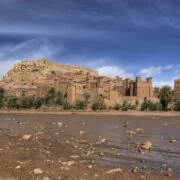
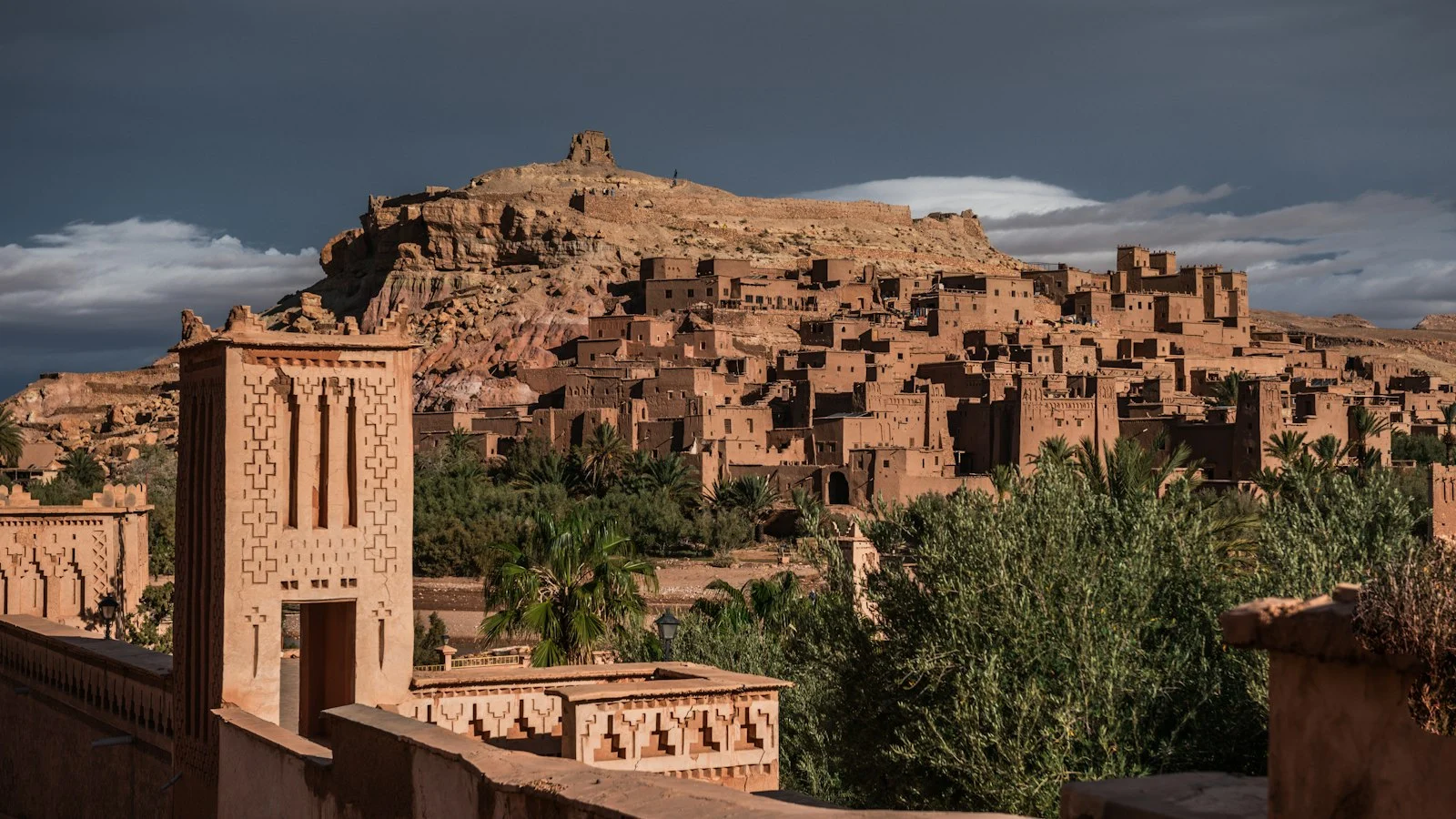
Just before reaching Ouarzazate, the fortified village of Ait Ben Haddou rises out of the landscape — a UNESCO World Heritage ksar of layered earthen towers that has appeared in numerous films and television productions. Walking through its narrow passages and climbing to the granary at the top for a view over the river valley is, for most visitors, the single best stop of the day.
The Atlas Film Studios
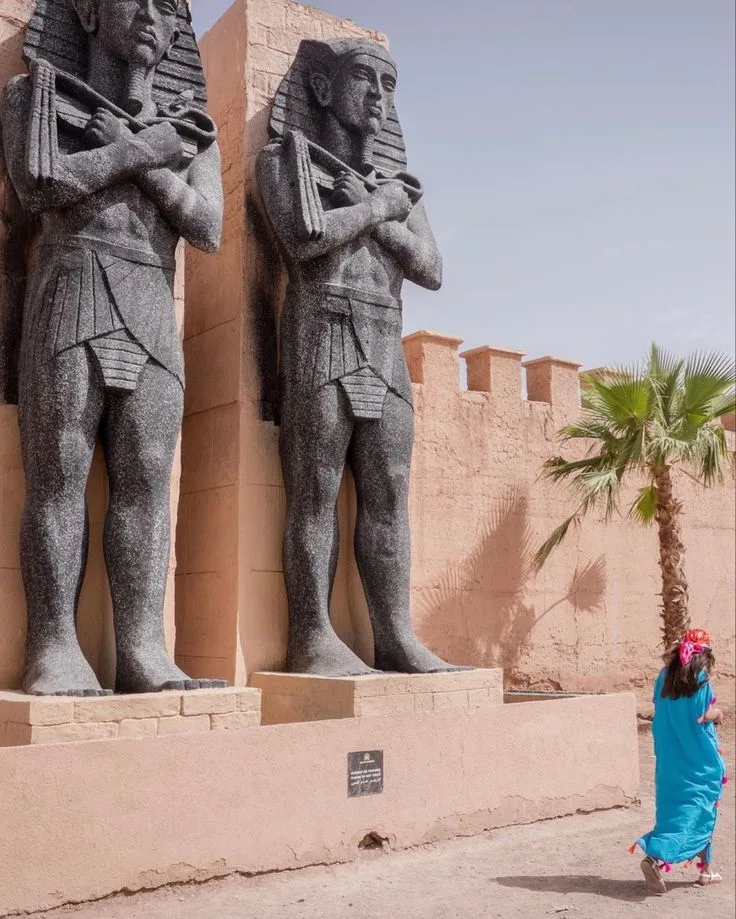
Ouarzazate’s studios have hosted large-scale productions for decades, and several offer public tours through leftover sets — Egyptian temples, ancient city walls, and props from historical epics, all standing somewhat surreally against the desert-edge backdrop. It’s a fun, slightly kitschy contrast to the historical weight of Ait Ben Haddou earlier in the day.
The Kasbahs and Old Town
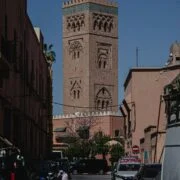
Ouarzazate itself has its own kasbah, Taourirt, once the residence of the influential Glaoui family, with a warren of rooms and courtyards open for a walk-through. The town’s wider architecture reflects the same reddish pisé construction seen throughout the region, giving the whole area a consistent, earthen visual identity.
What to Pack
- Comfortable walking shoes for Ait Ben Haddou’s uneven stone paths and stairs
- Sunscreen and a hat — the pre-Sahara sun here is intense with little shade
- A light layer for the pass, which can be significantly cooler than Ouarzazate itself
- A camera or phone with storage space; the drive alone offers frequent photo stops
- Water for the drive, especially in summer
Why Filmmakers Chose This Landscape
It’s worth understanding why Ouarzazate became a filming hub in the first place, beyond just the novelty of visiting a studio. The region’s combination of consistent bright light, dramatic desert-edge mountains, and centuries-old kasbah architecture that reads convincingly as “ancient” on camera made it a practical substitute for shooting on location in less accessible parts of the world. Add in relatively low production costs and a skilled local workforce experienced in building large sets, and productions kept returning decade after decade. Walking through the studio backlots, you’ll often spot the same reused structures repainted or repurposed for different films, a small detail that tour guides here enjoy pointing out.
Day Trip or Stopover to the Desert?
Ouarzazate works both as a standalone day trip from Marrakech and as a natural stopover if you’re continuing toward the Sahara. If mountain scenery and villages interest you more broadly, pair it mentally with the Ourika Valley day trip for a greener Atlas contrast, or the Imlil day trip if hiking near Imlil appeals more than kasbahs and film sets.
Beyond the Main Stops: Lake Barrage and the Kasbahs Route
If your day allows a little extra time, the artificial lake formed by the El Mansour Eddahbi dam just outside Ouarzazate offers a striking contrast to the desert-toned town — a stretch of blue water surrounded by arid hills, occasionally used for water sports by locals. The wider region around Ouarzazate is sometimes called the “Route of a Thousand Kasbahs” for the sheer density of fortified earthen structures scattered along the Draa and Dades valleys further south and east, most built by local families over centuries as both homes and defensive structures. A single day trip only scratches the surface of this route, but seeing Ait Ben Haddou and Taourirt Kasbah gives a genuine sense of the architectural style that defines the entire region.
A Suggested Order for the Day
- Depart Marrakech early and cross the Tizi n’Tichka pass with photo stops
- Stop at Ait Ben Haddou for a guided walk through the ksar
- Continue to Ouarzazate for lunch and a visit to Taourirt Kasbah
- Optional: tour one of the film studios if time allows
- Return over the pass to Marrakech by evening
Ait Ben Haddou’s status is confirmed by UNESCO’s World Heritage listing for Morocco, which recognizes it as an outstanding example of the region’s traditional earthen architecture, one of the reasons it has attracted filmmakers for so long.
Practical Notes
The full round trip from Marrakech runs a long day, generally 10 to 12 hours including driving time, so it suits travelers comfortable with a fuller itinerary rather than a slow, relaxed pace. If you’d prefer to break up the drive, staying a night in Ouarzazate or continuing onward toward the desert is worth discussing when you book.
To plan a Ouarzazate day trip, extend it into a multi-day route toward the Sahara, or adjust the pace for your group, contact us at contact@moroccobestdestination.com or +212 661-757505 and we’ll help design the right itinerary.