
This is probably the question we field most often after “when should I visit”: Merzouga or Zagora? Both routes leave from Marrakech and both end with a camel ride into a desert camp, but the two experiences are genuinely different once you look past the words “Sahara desert tour.” Here’s the honest breakdown.
The core difference: dune size
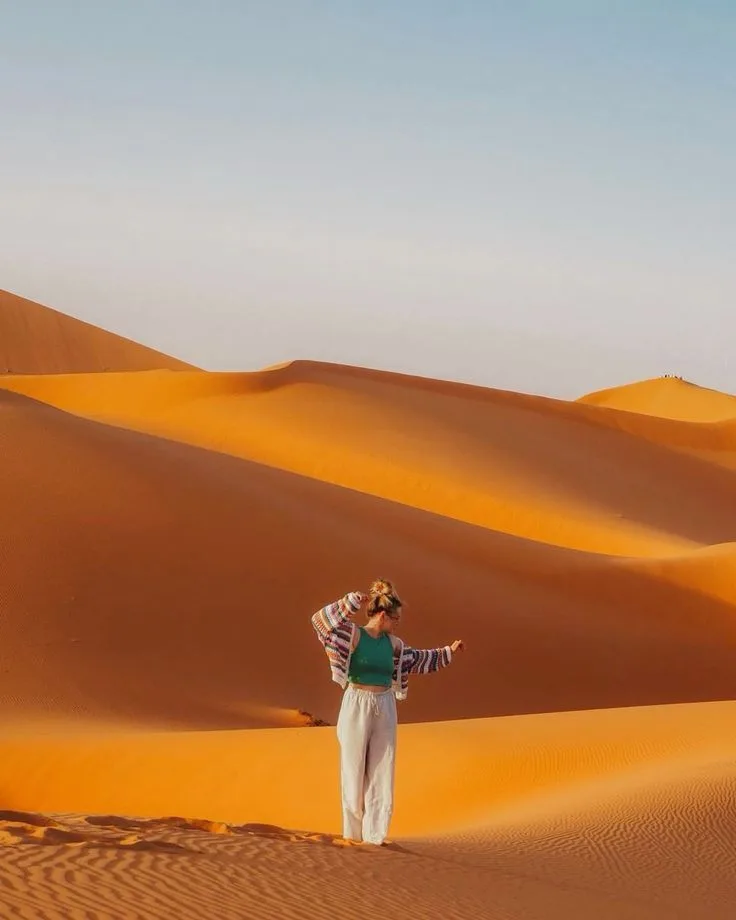
Zagora’s dunes, at Erg Chigaga or the smaller Erg Lehoudi, are modest in scale, more scrubby desert plateau with patches of dunes than the sweeping golden seas you picture when you imagine the Sahara. Merzouga’s Erg Chebbi dunes, by contrast, are the real thing, towering ridges reaching up to 150 metres, stretching to the horizon in every direction. If the “iconic Sahara dune” photo is the point of the trip, Merzouga wins this comparison outright.
Drive time from Marrakech
Zagora is closer, roughly 6-7 hours by road via the Draa Valley, which is why it used to be the more popular short desert add-on. Merzouga takes longer, typically 8-9 hours or split over two days via the Tizi n’Tichka pass, Ait Ben Haddou and the Dades or Todra Gorges. The extra distance to Merzouga is genuinely worth it for the dune payoff, and honestly, most of that extra driving time is itself scenic, not wasted.
What a typical Merzouga route looks like
Our own 3-day Marrakech to Merzouga desert tour is the classic version: day one crosses the Atlas and gorges, day two reaches the dunes for a camel trek at sunset and a night in a desert camp, day three returns via a different route through the Todra Gorge. For travellers with more time, the 7-day Marrakech to Merzouga Sahara tour slows the pace right down and adds extra stops along the way, kasbahs, valleys and smaller towns you’d otherwise drive straight past.
Sandboarding, activities and camp comfort
Merzouga’s larger dunes make activities like sandboarding and quad biking genuinely worthwhile, there’s actual terrain to work with. Camps at both destinations range from simple shared tents to more comfortable private setups with proper beds, but Merzouga has a wider range of camp styles simply because it receives more visitors and has more infrastructure built up around Hassilabied and the dune base.
What the drive itself is like
Neither route is a highway sprint, and that’s actually a good thing. The Merzouga road crosses the Tizi n’Tichka, the highest major mountain pass in North Africa, with switchback views over the High Atlas that are worth the trip on their own, then continues through the Dades and Todra Gorges, dramatic red rock canyons carved by rivers over millennia. The Zagora road follows the Draa Valley instead, Morocco’s longest river, lined with palm groves and old kasbahs, a gentler, greener kind of scenery than the rocky gorges on the Merzouga side. Neither drive is wasted time, but they offer genuinely different scenery along the way, which is worth factoring into your decision as much as the dunes themselves.
Cost and group size considerations
Because Zagora is closer, tours there are often slightly cheaper and easier to fit into a tight budget or schedule, which is part of why it remains popular for guests doing a rushed loop. Merzouga tours cost a little more given the extra driving and typically an additional night, but most guests who compare photos afterward tell us the difference was worth it. Group tours run both routes regularly in high season, while private tours give you more control over stops, pace and departure time, useful if you have specific sunrise or sunset timing you want to hit.
Which route suits which traveller
- Choose Merzouga if: you want the classic towering-dune Sahara photo, have 2-3 days available, and don’t mind the longer drive
- Choose Zagora if: you’re extremely tight on time (a rushed 2-day round trip) and dune scale matters less to you than simply saying you touched the desert
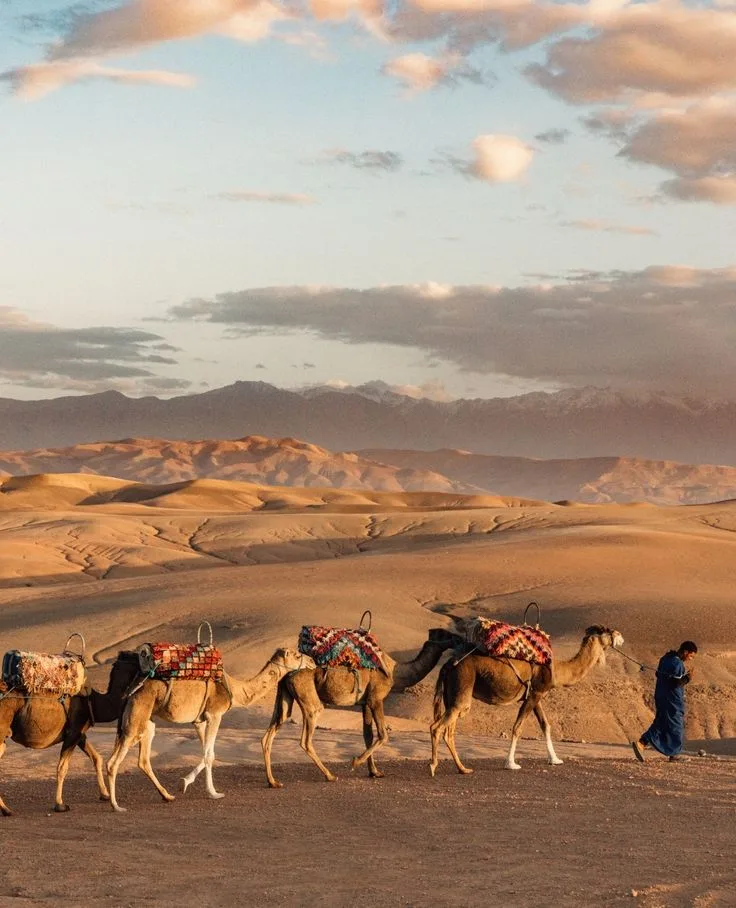
- Choose neither, go local instead: if you only have a half or full day, the Agafay Desert near Marrakech gives you a genuine desert landscape and camel ride within about 45 minutes of the city
Combining the desert with Fes
If your route continues north instead of looping back to Marrakech, our 4-day Marrakech to Fes desert tour via Merzouga uses the Merzouga route as a one-way bridge between the two cities, which avoids backtracking entirely and is a smarter use of the long drive out to the dunes.
Both Merzouga and Zagora sit within Morocco’s Saharan pre-desert zone, part of the vast Sahara that, per Wikipedia’s overview of Morocco’s geography, covers the country’s entire southeastern edge. In practice though, for the visual payoff most travellers are actually chasing, Merzouga is where we send the vast majority of our guests.
Still unsure which route fits your timeline? Tell us how many days you have and what matters most to you, dunes, budget, or drive time, and our Marrakech team will point you the right way. Contact us at contact@moroccobestdestination.com or +212 661-757505.