
Ramadan is one of the most misunderstood times to visit Morocco – some travelers avoid it entirely assuming everything shuts down, while others arrive completely unprepared for how the daily rhythm shifts. Neither reaction is quite right. Morocco stays very much open for tourism during Ramadan, but the pace of the day changes noticeably, and knowing what to expect makes the difference between a frustrating trip and a genuinely memorable one.
What Ramadan Actually Changes
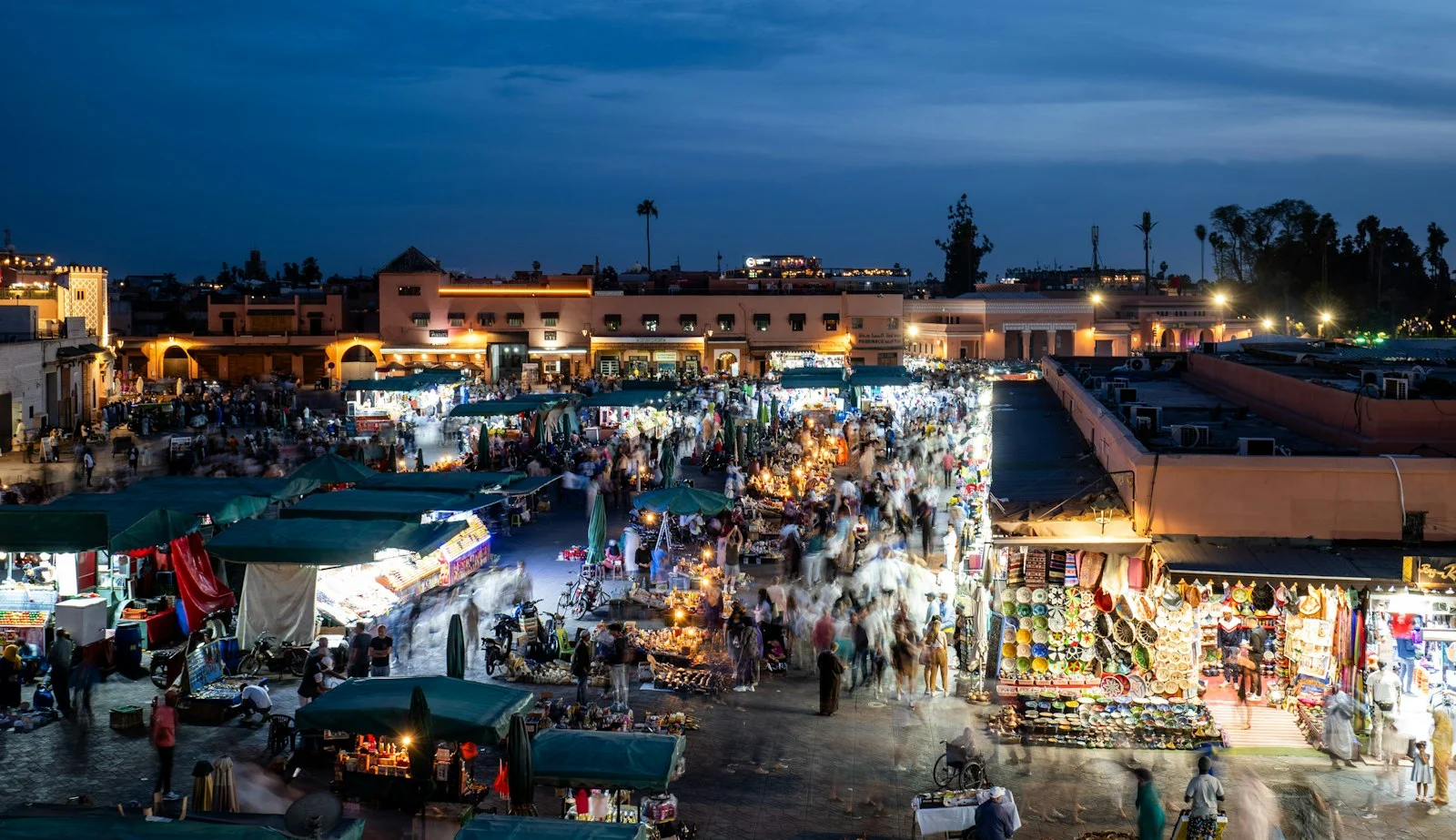
During Ramadan, most Muslims in Morocco fast from sunrise to sunset – no food or drink during daylight hours – which shifts daily life around it. Many local cafes and restaurants that cater primarily to Moroccan customers close or reduce hours during the day, reopening in the evening after the fast-breaking meal known as iftar. Government offices and some businesses run shorter hours, and the city’s rhythm shifts later – streets can feel quieter in the late afternoon and come alive again after sunset, when families gather to eat and the medina fills with a different kind of energy than daytime.
Will I Be Able to Eat and Drink During the Day?
Yes. Hotels, riads and restaurants that serve tourists remain open for non-fasting guests, though you’ll notice fewer options in more local neighborhoods compared to areas like Gueliz or the main tourist zones of Marrakech. As a matter of courtesy rather than legal requirement, it’s considerate to avoid eating or drinking very visibly in public spaces during the day – a discreet approach goes a long way, and most Moroccans are genuinely welcoming and understanding toward visitors regardless.
What Changes for Tours and Activities
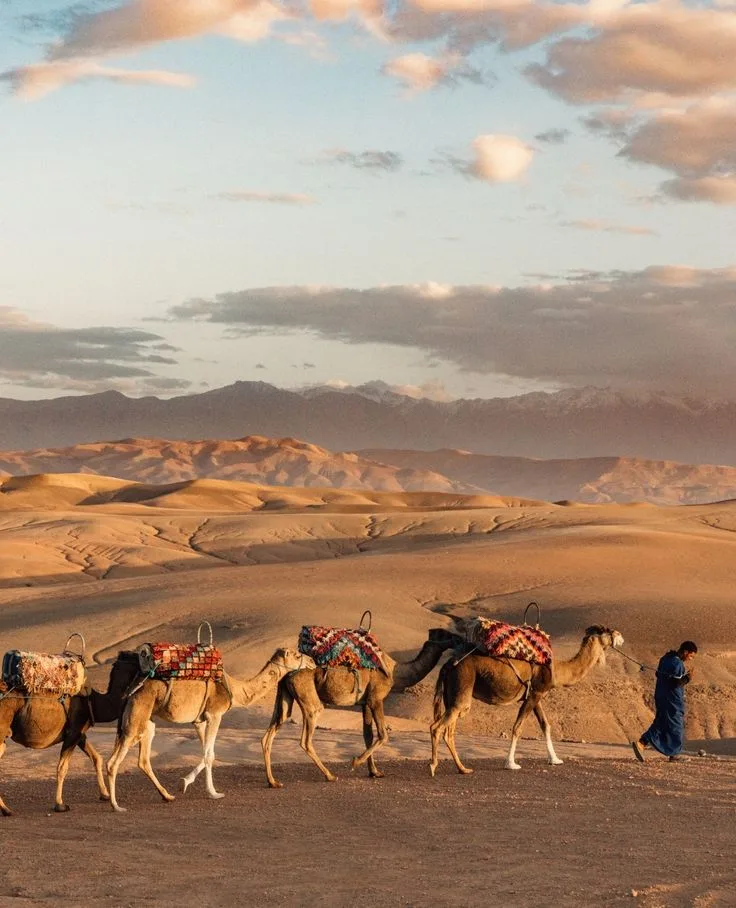
Desert tours, day trips and outdoor activities continue to run during Ramadan, though the daily schedule sometimes shifts slightly – an earlier start to beat the heat, or a later return to accommodate drivers and guides observing the fast. Activities that culminate around sunset, like a desert camel ride or dinner show, take on a particularly special atmosphere during Ramadan, since the breaking of the fast at sunset is a meaningful daily moment. Our All Tours & Experiences page runs year-round, and our team simply adjusts pickup times where needed during the holy month.
Iftar: A Moment Worth Experiencing
If your schedule allows, being out in the city right around sunset during Ramadan is worth prioritizing at least once during your stay. Streets that were quiet all afternoon fill quickly in the last twenty minutes before the call to prayer, as families head home or to restaurants with dates and harira soup – the traditional way the fast is broken – ready on the table. Many restaurants that serve tourists offer a set iftar menu during Ramadan, giving visitors a chance to experience the meal properly rather than just as an observer. It’s a genuinely different atmosphere from any other time of year, and one of the more memorable cultural moments available to travelers who happen to be in Morocco during the holy month.
Practical Tips for Ramadan Travel
- Carry water and snacks with you during the day in case local options are limited in certain areas.
- Book restaurants in advance for evening meals – iftar is a busy time and popular spots fill quickly after sunset.
- Expect a livelier atmosphere after dark, with markets and squares busier in the evening than during the day.
- Be patient with slightly slower service during the afternoon, particularly close to sunset when energy naturally dips before iftar.
- Dress modestly, which is good practice in Morocco generally but especially appreciated during Ramadan.
- Alcohol sales are further restricted at some venues during Ramadan, even in tourist areas, so don’t assume normal availability.
A Note on Eid al-Fitr
Ramadan ends with Eid al-Fitr, a multi-day holiday marking the close of the fast, and it’s worth checking whether your trip overlaps with it. Some local businesses close for a day or two around Eid itself as families gather and celebrate, though tourist-facing hotels, riads and tour operators generally continue running as normal. If your dates land right on Eid, it’s worth confirming opening hours in advance for any specific restaurant or shop you have your heart set on.
Is Ramadan a Good Time to Visit?
Many travelers genuinely enjoy visiting during Ramadan – it offers a different, more intimate view of Moroccan culture than the rest of the year, with the evening iftar meals, communal atmosphere, and quieter daytime streets. It suits travelers who are flexible and interested in cultural context, rather than those who want a completely typical tourist schedule. According to Morocco – Wikipedia, Islam is the majority religion in the country, and Ramadan is observed widely, which is exactly why it shapes daily life so visibly during the month.
Ramadan’s dates shift each year on the Islamic lunar calendar, so it’s worth checking the exact dates against your travel window when planning. If you’re considering a trip during Ramadan and want help timing activities around it, our team can talk you through what to expect – reach us at contact@moroccobestdestination.com or +212 661-757505.