

Good news first: for the vast majority of travellers from the US, UK and EU, Morocco does not require a visa for tourism. That said, “no visa needed” isn’t the same as “nothing to prepare,” so here’s what actually matters before you land in Marrakech or any other Moroccan airport.
Who can enter Morocco visa-free
Citizens of the United States, United Kingdom, and the vast majority of European Union member states can enter Morocco for tourism without a pre-arranged visa, typically for stays of up to 90 days. You’ll get an entry stamp in your passport on arrival rather than needing to apply for anything in advance. This covers the standard tourist visit, city stays, desert tours, the works, and doesn’t require any paperwork beyond your passport itself.
Passport validity requirements
This is the detail that trips people up most often. Your passport should generally be valid for the duration of your intended stay, and airlines will sometimes deny boarding if your passport is close to expiry, even if Moroccan entry rules technically wouldn’t stop you. As a rule of thumb, we always tell our guests to have at least six months of validity remaining from your travel date, it’s the safest standard across most countries’ entry systems and avoids any awkward conversations at check-in.
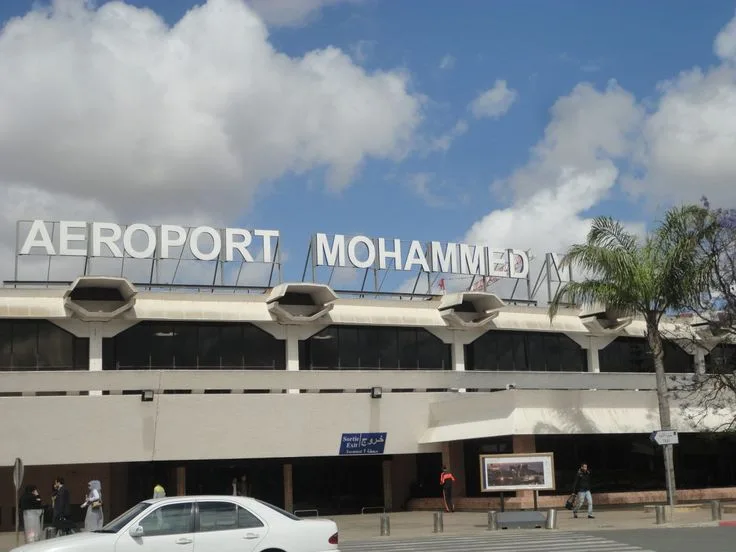
What you actually need at the airport
- A valid passport with sufficient remaining validity
- A completed arrival card (usually handed out on the plane or available at immigration)
- Proof of onward or return travel, occasionally requested, rarely enforced strictly for most nationalities
- Accommodation details, having your riad or hotel address ready speeds up the arrival card and any questions at immigration
Staying longer than 90 days
If your trip runs longer than the standard visa-free window, you’ll need to apply for an extension through a local police station or the Bureau des Étrangers before your 90 days expire. Overstaying without regularising your status can lead to fines or complications on departure, so if you’re planning an extended stay, it’s worth sorting this out well before the deadline rather than at the last minute.
Non-US/UK/EU travellers
Visa requirements vary considerably outside these regions, some nationalities need a visa in advance, others get similar visa-free access. If you’re unsure of your specific requirement, the safest move is checking directly with the nearest Moroccan consulate or embassy for your passport’s country, since requirements do change and third-party sources aren’t always current.
Travel insurance and health documentation
Morocco doesn’t currently mandate specific vaccination certificates for most travellers from the US, UK or EU, but standard travel insurance covering medical treatment and trip disruption is worth arranging regardless, entry requirement or not. It’s a separate matter from the visa question entirely, but it’s the kind of thing that ends up mattering far more than the passport stamp if something actually goes wrong mid-trip, a missed connection, a minor injury on a desert excursion, or a cancelled flight.
Arriving with children or as a family
Children generally follow the same visa-free rules as adults from these regions, but it’s worth double-checking your specific airline’s requirements around minors travelling with only one parent, since some carriers request additional documentation regardless of the destination country’s own entry rules. This is an airline policy matter more than a Moroccan visa one, but it catches families off guard often enough that it’s worth a quick check before departure.
Land vs air entry and multi-country trips
If Morocco is one stop on a wider North African or European trip, note that land border crossings can occasionally have slightly different practical procedures than airport entry, even though the underlying visa-free rule is the same. If you’re planning to enter overland from a neighbouring country or combine Morocco with a cruise stop, it’s worth double-checking the specific entry point’s current process, since queues and documentation checks can vary more at land borders than at the main international airports most tourists use.
A quick pre-departure checklist
- Confirm your passport has at least 6 months of validity from your travel date
- Check your specific nationality’s current requirement with the Moroccan consulate if you’re not from the US, UK or EU
- Keep a digital and printed copy of your passport and travel insurance
- Have your riad or hotel address ready for the arrival card
- Book your airport transfer or first tour in advance so someone’s expecting you on arrival
For the most current and official entry requirements, the official Morocco National Tourist Office is the best primary source, and it’s worth a quick check before you book flights, especially if your passport doesn’t fall neatly into the US/UK/EU category. General country background is also available via Morocco’s Wikipedia entry.
Once your entry requirements are sorted, the fun part starts, planning what to actually do once you land. Browse our full range of tours and experiences, or get in touch at contact@moroccobestdestination.com or +212 661-757505 if you’d like help planning your itinerary around your arrival date.