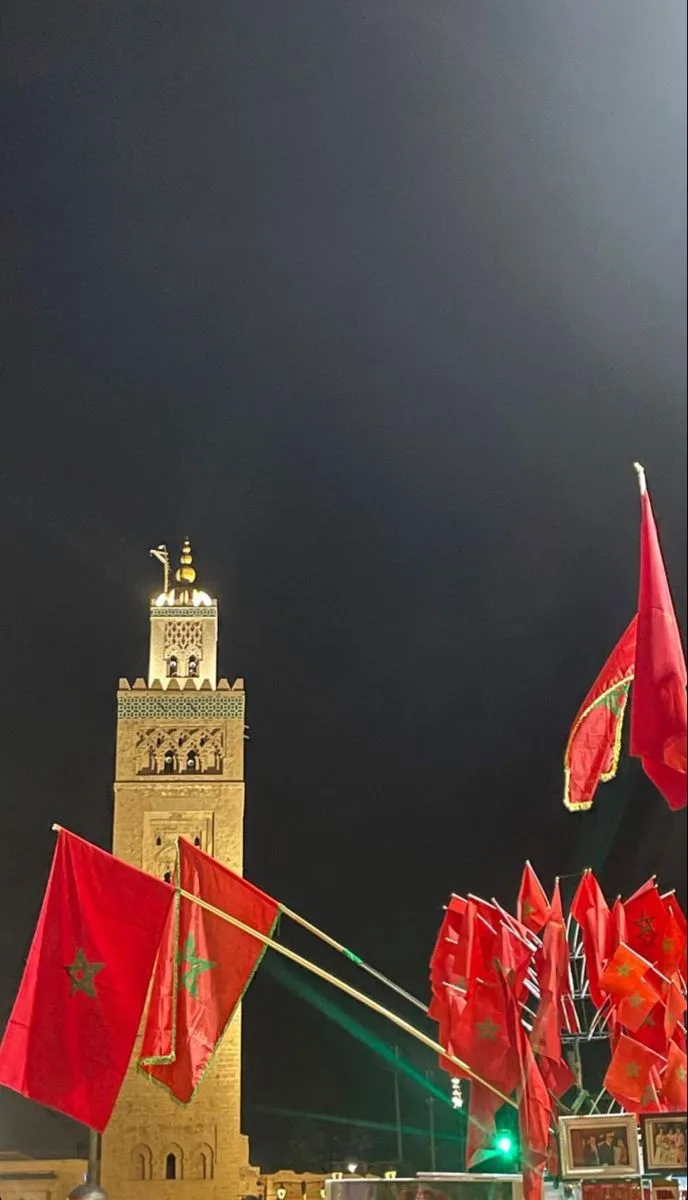

Winter surprises a lot of first-time visitors to Morocco, mostly because the country’s reputation for heat doesn’t match what actually happens between December and February. Marrakech in winter isn’t cold in the way northern Europe is cold, but it isn’t the desert furnace people picture either – and the mountains and the Sahara nights genuinely do get cold. Here’s what to actually expect and how to plan around it.
What Winter Weather Really Looks Like
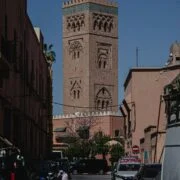
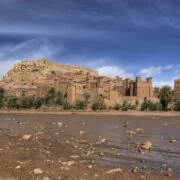
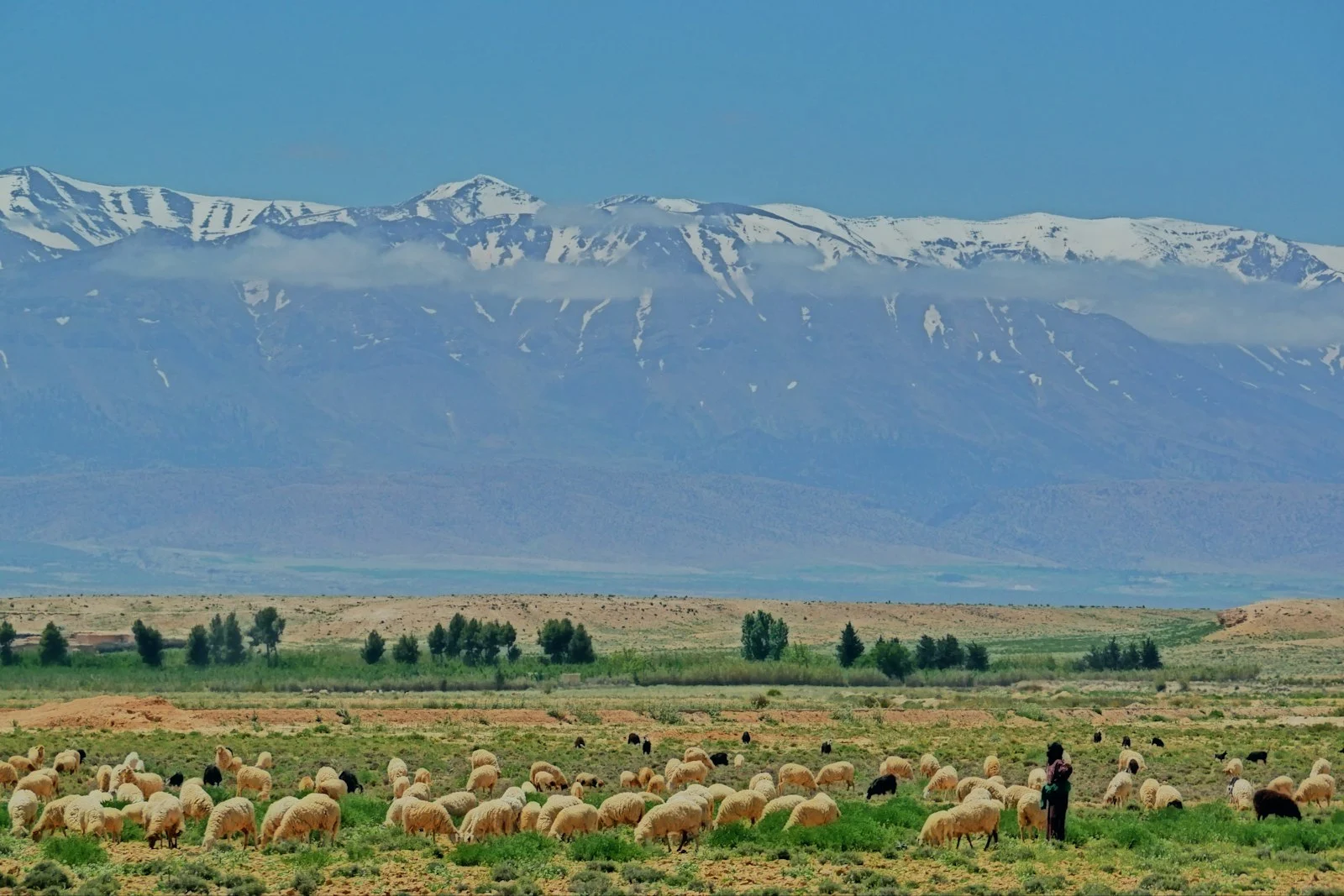
In Marrakech, winter days are typically mild and often sunny, comfortable for walking the medina in a light jacket, with temperatures dropping noticeably after sunset. The Atlas Mountains, visible from the city on clear days, get real snow at higher elevations, which is part of why the range looks so striking against Marrakech’s palm trees in winter photos. In the Sahara near Merzouga, daytime sun can still feel warm, but desert nights drop sharply – genuinely cold, not just cool – which is the single most important thing to plan for if you’re doing an overnight camp.
Best Winter Activities
Winter is actually one of the best seasons for several experiences that get uncomfortably hot in summer, and it’s worth browsing our All Tours & Experiences page to see the full range before narrowing down what fits your trip.
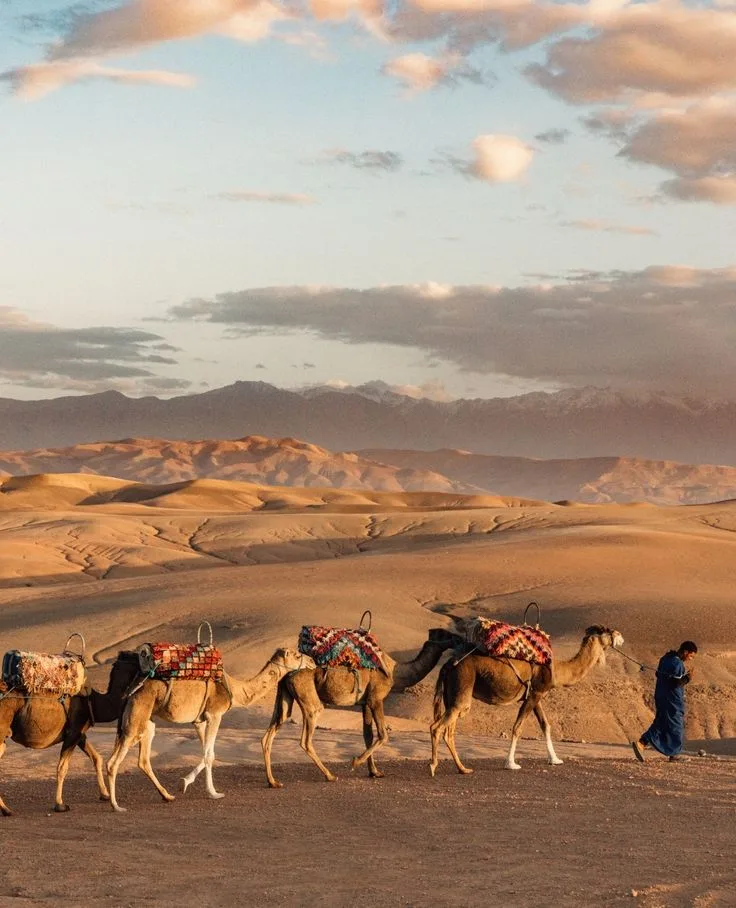
- Desert camel treks and overnight camps, since daytime dune walking is far more pleasant without summer heat.
- Medina walking tours and souk shopping, comfortable all day without needing to dodge peak afternoon sun.
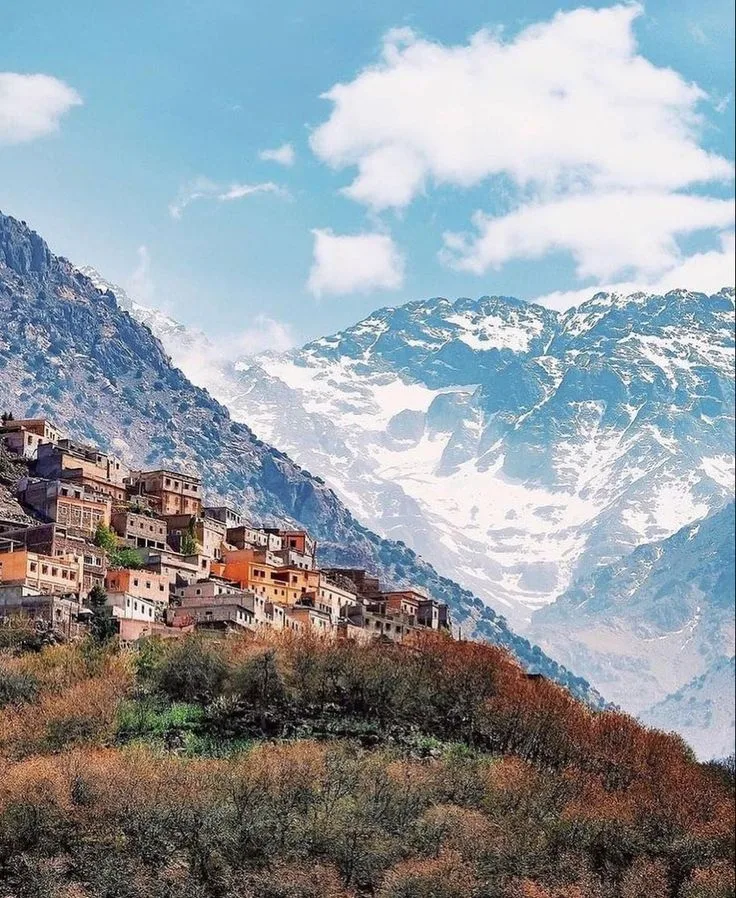
- Atlas Mountain day trips, with snow-capped peaks adding dramatic scenery even at lower, walkable elevations.
- Waterfall visits, since winter rains can actually increase the flow and drama of falls like Ouzoud.
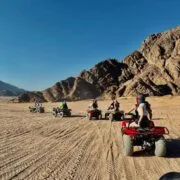
- Quad biking and buggy adventures in Agafay, cooler and more comfortable than the dusty heat of summer.
Driving and Road Conditions in the Mountains
If your itinerary includes crossing the Tichka Pass or any high-altitude route through the Atlas Mountains, winter is the one season where road conditions genuinely need checking in advance. Snow at altitude can occasionally close mountain roads for a day or two after a heavy fall, though the main routes are generally cleared quickly given how much traffic depends on them. This is one of the strongest arguments for a guided vehicle over self-driving in winter specifically – a local driver knows current conditions and can adjust the route or timing if needed, rather than finding out about a closure partway up the pass. Desert routes further south are rarely affected by snow and remain reliably open throughout the season.
Packing for a Winter Trip
The biggest mistake winter travelers make is packing only for the mild city days and forgetting how cold desert and mountain nights get. Layers are the answer: a light jacket and comfortable clothes for daytime in the city, plus a proper warm layer – fleece or down, a hat and gloves – for evenings in the desert or any time spent at altitude in the Atlas. If your trip includes an overnight desert camp, ask about blanket and heating arrangements when booking, since camps vary in how well they’re set up for cold nights.
A Simple Winter Packing List
- A warm, packable jacket – down or fleece – for desert and mountain evenings.
- A hat, scarf and gloves, genuinely useful for a desert camp night rather than optional extras.
- Comfortable layers for daytime that can be added to or removed as temperatures shift through the day.
- Sturdy, closed shoes for cooler mornings and any walking on uneven ground in the mountains.
- A reusable water bottle – hydration still matters in winter, even without summer heat.
Fewer Crowds, Better Value
Winter, outside the Christmas and New Year peak, tends to be quieter than spring and autumn, which means more availability at riads and a calmer atmosphere in the medina and major sites. It’s a good season for travelers who prioritize comfortable sightseeing over consistently warm weather, and it pairs particularly well with desert tours since the daytime dune conditions are ideal.
Regional Differences to Keep in Mind
Coastal towns like Essaouira stay breezy and mild but rarely bitterly cold, while inland mountain towns can be genuinely chilly with occasional snow at altitude. According to the Official Morocco National Tourist Office, Morocco’s geography spans coastal, mountain and desert climates simultaneously, which is exactly why winter conditions vary so much depending on where in the country you are. Further south, desert towns like Merzouga and Zagora see the widest day-to-night temperature swing anywhere in the country – a genuinely warm, sunlit afternoon can drop to near-freezing after dark, which is exactly why desert camps take blankets and heating seriously during the winter months.
If you’re planning a winter trip and want help matching the right mix of activities to the season, our team can build an itinerary that accounts for cold desert nights and mild city days alike – reach us at contact@moroccobestdestination.com or +212 661-757505.