
Money questions come up in nearly every planning conversation we have with travelers, and for good reason – Morocco’s currency system has a couple of quirks that catch first-time visitors off guard. Getting the basics sorted before you land makes the rest of the trip much smoother, so here’s what you actually need to know.
The Moroccan Dirham
Morocco’s currency is the Moroccan Dirham (MAD), and it’s a closed currency, meaning you generally cannot buy or exchange dirhams outside the country before you arrive. This isn’t unusual globally, but it does mean your first stop after landing should be an exchange counter or ATM rather than assuming you can source cash beforehand. Exchange bureaus and banks are widely available in Marrakech, at the airport, and throughout the medina, and rates at official bureaus are usually reasonable and clearly displayed.
Cash vs Card: What to Expect
Riads, restaurants, larger shops and tour operators generally accept cards, but the souks, small cafes, taxis and rural areas run largely on cash. Our own advice to travelers is to keep a mix: carry enough dirhams for daily spending – taxis, tips, souk purchases, small meals – while relying on a card for hotel bills and larger, planned expenses. ATMs are plentiful in cities and generally reliable, though it’s worth notifying your bank of your travel dates to avoid a card being flagged.

Practical Money Tips
- Withdraw cash from bank-branded ATMs rather than standalone machines when possible, for better rates and reliability.
- Keep smaller bills on hand – breaking a large note for a small taxi fare or tip can be genuinely difficult.
- Exchange leftover dirhams back before leaving the country, since they can be hard to exchange once you’re home.
- Avoid street currency exchange offers – use official bureaus or banks only.
- A small cross-body bag or money belt is worth it for carrying cash safely in busy medina areas.
A Rough Daily Budget Guide
Costs vary a lot depending on travel style, but as a general framework: budget travelers staying in simple riads, eating at local cafes and using shared transport can get by on a modest daily amount, while a comfortable mid-range trip – a nicer riad, a mix of restaurants, the odd taxi and paid activities – costs meaningfully more but still compares favorably to Southern Europe. Desert tours, guided activities and private transport are priced separately from daily living costs, so it’s worth budgeting for those as a distinct line item rather than folding them into a daily average. Museum and monument entry fees are generally inexpensive, often just a few dollars per site, and add up less than most travelers expect.
Tipping in Morocco: What’s Actually Expected
Tipping culture in Morocco sits somewhere between optional and expected, depending on the service. It’s not as rigid as in the US, but it’s genuinely appreciated and forms part of many service workers’ income.
General guidance by service
- Restaurants: a modest tip, roughly 5-10% for good service, is common when a service charge isn’t already included.
- Guides and drivers: a daily tip is customary on multi-day tours, reflecting the personal, hands-on nature of the service.
- Riad staff: small tips for housekeeping or porters are appreciated, similar to hotel tipping norms elsewhere.
- Taxis: rounding up the fare is common rather than a formal percentage tip.
- Hammam attendants: a small tip after a scrub or massage is standard practice.
A Note on Small Change
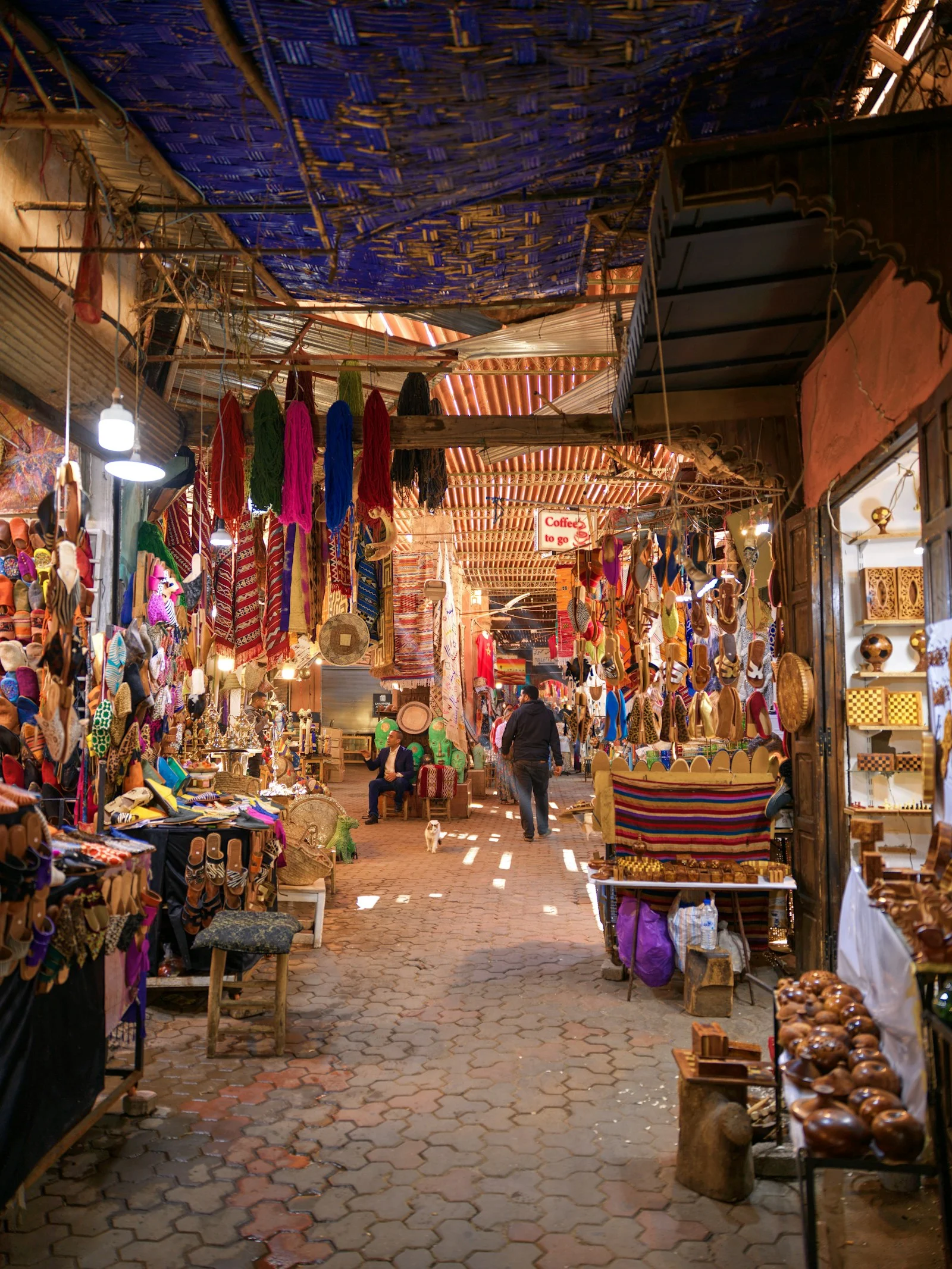
Small denomination coins and notes are genuinely useful to keep on hand throughout the day, not just for tips but for the small cash transactions that come up constantly – a bottle of water, a shared taxi, a small souvenir. Breaking a large note in a small shop can be awkward for the vendor, so asking specifically for smaller bills when you withdraw or exchange money at the start of your trip saves this friction later. Some travelers keep a small dedicated pouch of coins and small notes just for tips and minor purchases, separate from the rest of their cash, which makes daily spending noticeably smoother.
None of this needs to feel complicated or transactional – Moroccan hospitality culture generally values generosity and courtesy over strict rules, and locals understand that visitors are still learning the norms.
A Word on Prices
As the Official Morocco National Tourist Office notes, Morocco remains a relatively affordable destination compared to much of Europe, which is part of why it draws so many repeat visitors. That said, prices in tourist-heavy areas of the medina can run higher than elsewhere, so it’s worth comparing a couple of stalls before settling on a purchase.
If you’d like more detail on budgeting for a specific itinerary, our team can walk you through it before you book anything – reach out to contact@moroccobestdestination.com or +212 661-757505, and take a look at our full range of All Tours & Experiences while you’re planning.