
We get this question constantly from first-time visitors, understandably, since Morocco is often the first North African or Middle Eastern-adjacent destination on someone’s list. The short answer, from a team based in Marrakech that deals with thousands of travellers a year, is that Morocco is a genuinely welcoming and manageable destination for tourists, but like anywhere popular with visitors, it has its own set of everyday realities worth knowing before you land.
General safety on the ground
Violent crime against tourists is rare in the areas visitors actually spend time in, medinas, tourist districts, riads and organised tours. The far more common issues are petty and low-stakes: overcharging, persistent street vendors, or someone offering unsolicited “help” navigating the medina in exchange for a tip. None of this is dangerous, it’s mostly just mildly annoying if you don’t know what to expect, and it stops being an issue once you recognise the pattern.
Common scams to know about (not to worry about)
- Fake guides: people who insist a shop, riad or attraction is “closed” and offer to lead you somewhere else, usually toward a commission-paying shop. Politely decline and keep walking.
- Unofficial “guides” at parking or near attractions: confident, friendly, and expecting payment for directions you didn’t ask for. A firm “no thank you” works fine.
- Inflated taxi meters or no meter at all: agree on a price before getting in, or better, arrange transport through your riad or a trusted operator.
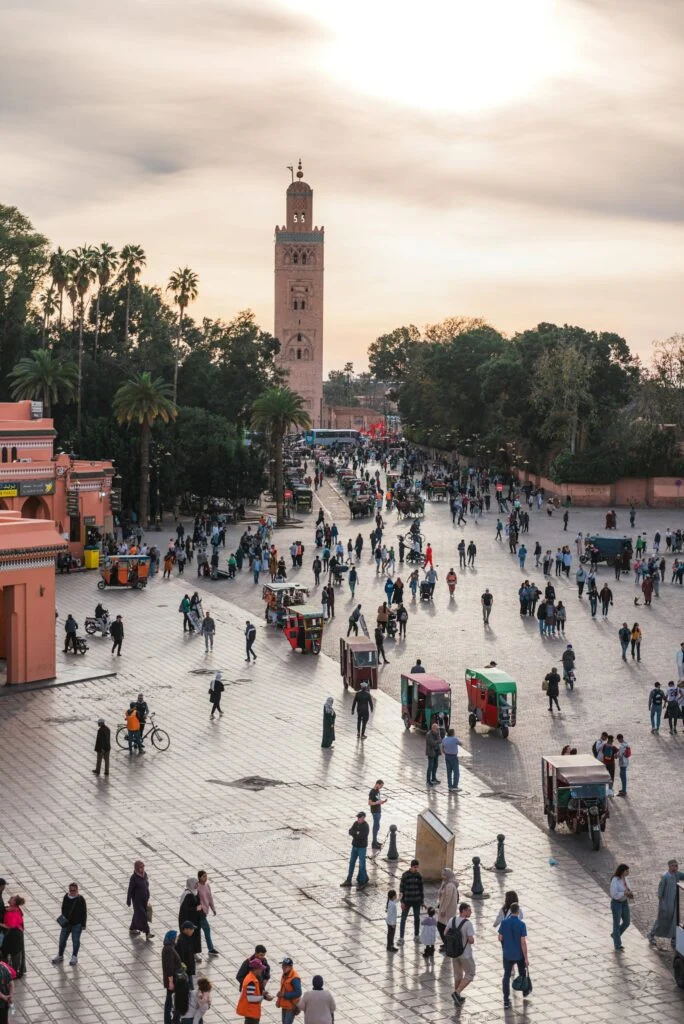
- Photo fees: street performers, snake charmers and Gnaoua musicians in Jemaa el-Fnaa will ask for money if you photograph them, which is fair, just be aware before you snap a picture.
Solo travellers, women, and families
Marrakech and Morocco’s main tourist cities are visited comfortably by solo travellers, couples and families every day. Women travelling alone do sometimes encounter more persistent attention from vendors or on the street than men do, dressing modestly and walking with confidence generally minimizes this considerably. Families with children are common in the medina and desert camps alike, and Moroccan culture is generally very warm toward kids.
Health and practical safety
Tap water in cities is treated but bottled water is the safer default for visitors’ stomachs, especially in the first few days. Sun exposure is a bigger practical risk than most people expect, especially on desert tours, sunscreen and a hat are non-negotiable. Road safety on organised tours is far better than self-driving, since experienced drivers know the mountain passes and desert tracks that catch out inexperienced visitors.
Money, cash and payment safety
Morocco still runs largely on cash outside hotels and larger restaurants, so carrying a reasonable amount for souks, small cafes and tips is normal and low-risk. ATMs are widely available in cities and generally reliable, though it’s sensible to use ones attached to banks rather than standalone machines in quiet alleys, the same basic precaution you’d take anywhere. Card skimming isn’t a widespread concern reported by our guests, but keeping an eye on your card during transactions is always good practice regardless of destination.
Traffic and pedestrian safety
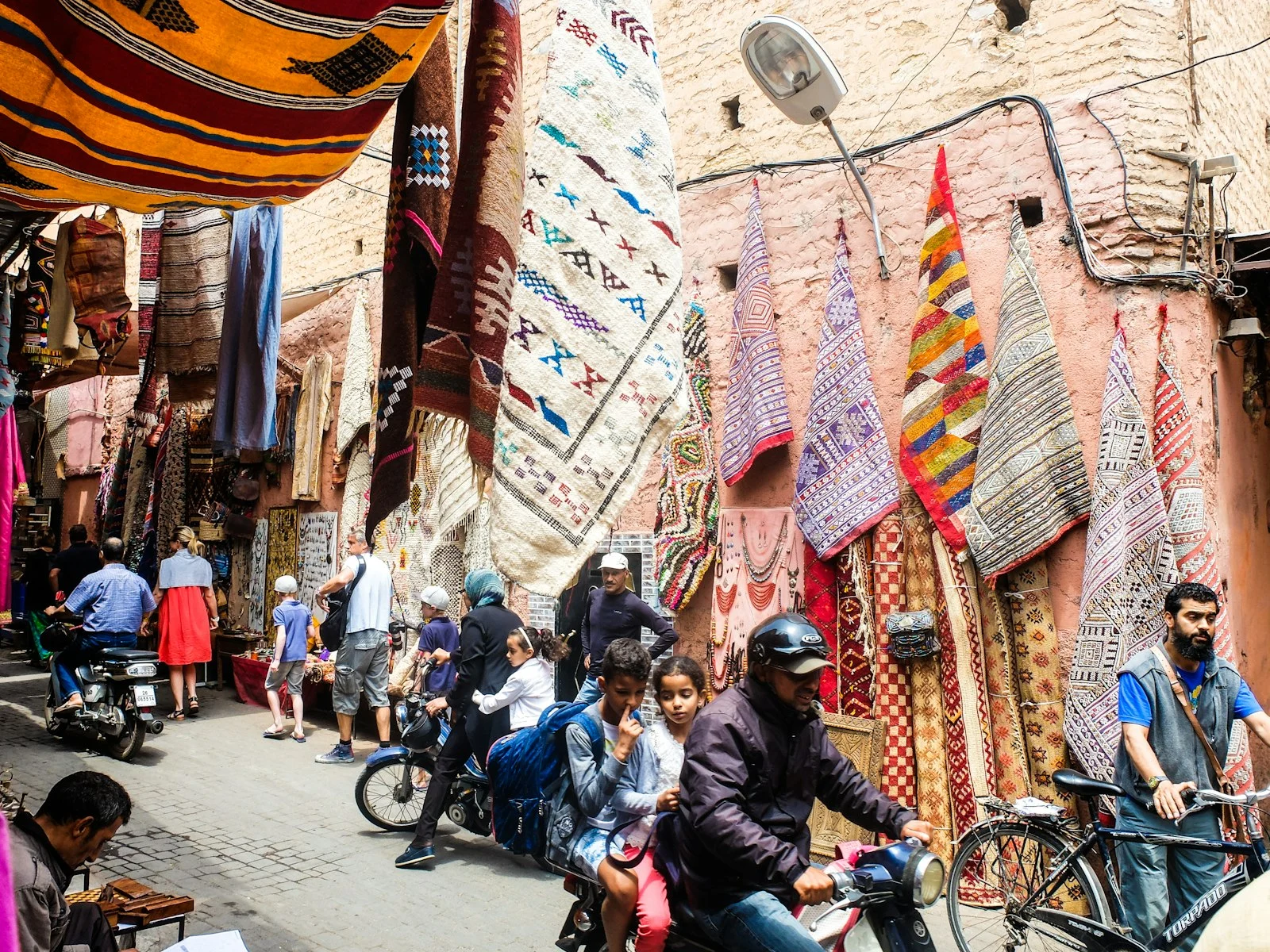
Honestly, this is where we’d direct most of your caution. Moroccan cities have busy, sometimes chaotic traffic, and pedestrian right-of-way isn’t always respected the way visitors from Europe or North America might expect. Look both ways repeatedly when crossing, even on marked crossings, and be especially careful in the medina where motorbikes weave through pedestrian lanes at surprising speed. This is a far more realistic everyday risk than crime, and it’s one simple awareness habit fixes almost entirely.
Why organised transport and tours reduce risk further
A large share of the “was Morocco safe” complaints we’ve heard secondhand over the years trace back to unlicensed taxis, unclear pricing, or getting lost in a medina without a plan, all avoidable with a bit of structure. Booking transfers and day trips through a licensed local operator removes almost all of this friction. Our full range of tours and experiences is run with vetted drivers and fixed pricing agreed before you travel, precisely to remove the guesswork.
Weather and natural safety considerations
Beyond the human element, it’s worth keeping practical weather safety in mind, flash flooding can occasionally affect mountain roads and gorges during heavy rain in spring, and summer heat in the desert and southern plains poses a genuine risk of dehydration or heat exhaustion if you’re not pacing yourself and drinking enough water. None of this is unique to Morocco, it’s the same common sense you’d apply to any hot, mountainous destination, but it’s worth a mention since heat-related discomfort is a far more common issue on our tours than anything related to crime.
What the data actually says
Morocco consistently ranks among the more visited and stable destinations in the region, per the official Morocco National Tourist Office, and receives millions of international visitors annually without major incident. As with any destination, we’d always recommend checking your own government’s current travel advisory before departure, since those are updated in real time and reflect the latest official guidance.
If you’d rather not think about logistics at all, our Marrakech-based team can handle transfers, guides and tours end to end so you can focus on enjoying the trip. Reach us at contact@moroccobestdestination.com or +212 661-757505 for any questions before you book.